Redefining Possibility Through AI Research

We believe intelligence is limitless. By exploring new algorithms, architectures, and applications, our lab is pioneering innovations that expand what’s possible for industries, communities, and humanity.
Yobi Lab

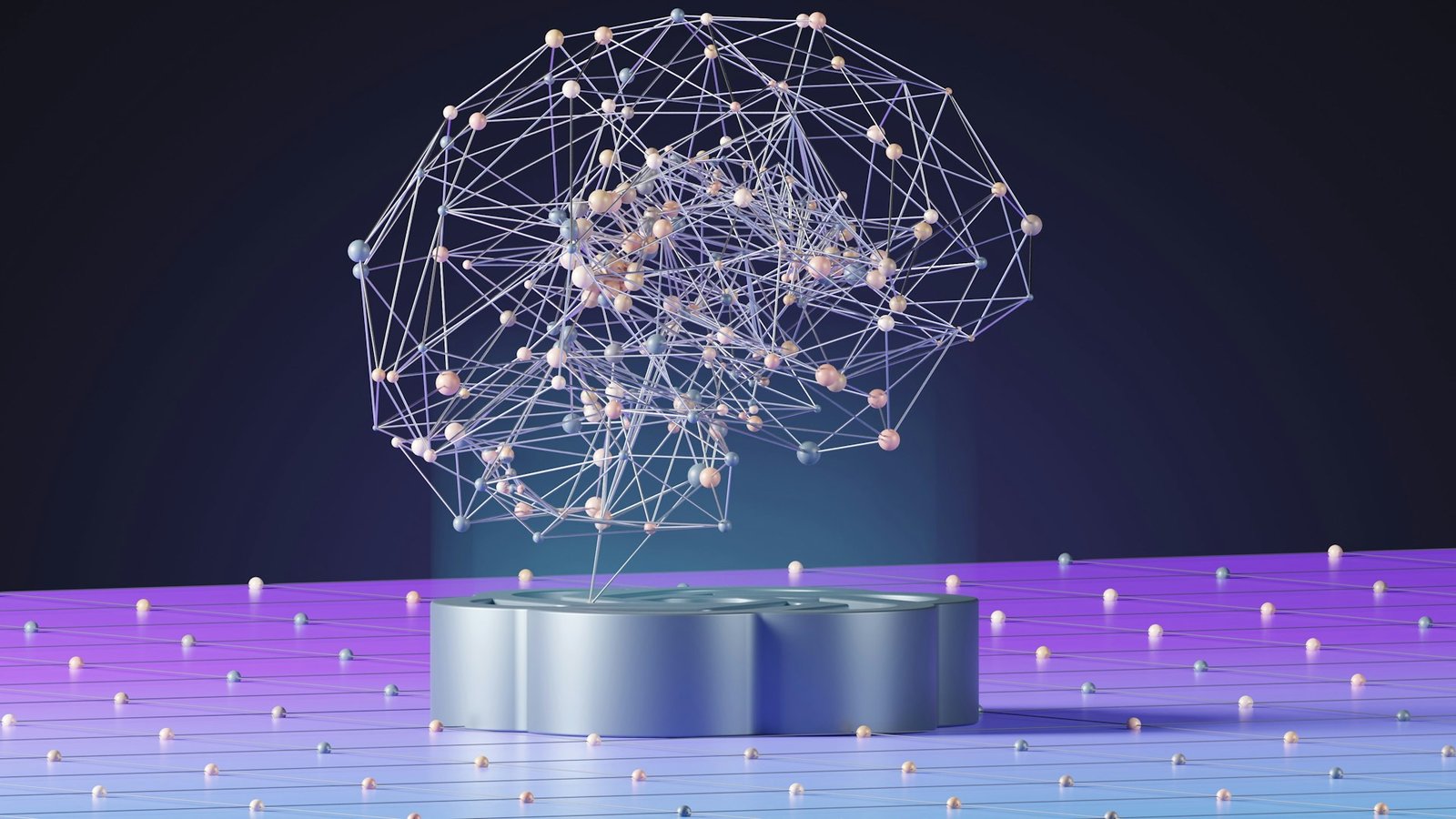
The focus of the Yobi Lab is artificial intelligence research. We study how machine learning, deep learning, and computational methods can advance knowledge and transform industries, while also examining the societal impacts of AI. Our work explores both the technical foundations of intelligent systems and their broader implications for science, business, and humanity. We synthesize large datasets from diverse domains using advanced algorithms, neural architectures, and statistical modeling to better and expand the global capabilities of artificial intelligence.”

Our Collaborations

Meet the Organizations We Work with:

Our Intersected Studies

Research Themes

Bench Fees for Amanda Palesa Thobega

The bench fees allocated to Amanda Palesa Thobega support her access to essential research facilities, specialized equipment, and collaborative resources within the lab. These fees ensure that she can fully engage in advanced projects, benefit from technical infrastructure, and contribute to the lab’s ongoing innovation. By covering operational costs and shared services, the bench fees create an enabling environment for impactful research and academic excellence.

Reliability of HRDD as a biomarker in painful diabetic neuropathy

By validating HRDD through rigorous clinical and statistical methods, the study aims to establish its consistency, sensitivity, and diagnostic value in identifying neuropathic pain. This research not only advances our understanding of pain mechanisms in diabetes but also seeks to provide clinicians with a dependable tool for early detection, monitoring, and improved patient care.

AF Screening to prevent ischaemic Stroke (The ASPIRE study)

The ASPIRE study explores innovative approaches to atrial fibrillation (AF) screening with the goal of preventing ischaemic stroke. By integrating blood-based ECG analysis and genetic biomarkers, the study aims to improve early detection of AF and identify individuals at heightened risk. This validation research seeks to establish reliable, accessible tools that can transform clinical practice, reduce stroke incidence, and ultimately enhance patient outcomes through precision medicine.

AI and Eye Screening

Artificial intelligence is transforming the way eye diseases are detected and managed. By analyzing retinal images and other diagnostic data with advanced machine learning algorithms, AI systems can identify early signs of conditions such as diabetic retinopathy, glaucoma, and age-related macular degeneration with remarkable accuracy. This approach enhances screening efficiency, supports clinicians in making faster and more reliable diagnoses, and ultimately helps protect vision by enabling timely intervention.

Research Interests

Our Big Questions

How can artificial intelligence accelerate scientific discovery across disciplines?

How do we design AI systems that are transparent, ethical, and trustworthy?

How can AI-driven models transform the way we understand and manage ecosystems?

How can large-scale data synthesis through AI reveal hidden patterns in global systems?

What innovations in neural architectures will unlock the next generation of intelligent machines?

How can AI be harnessed to improve equity, accessibility, and societal well-being worldwide?
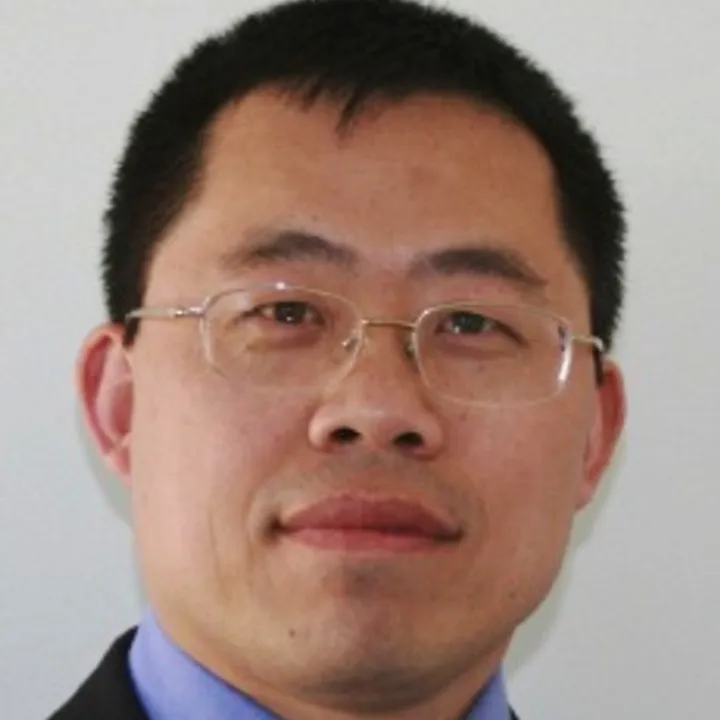
Professor Yalin Zheng

Ph.D.

Professor of AI in Healthcare

Eye & Vision Sciences

Part of the University of Liverpool
Institute of Life Course & Medical Sciences
Faculty of Health and Life Sciences

Our Publications

Read our Papers

Our Projects

View our Progress

Meet our team

View our researchers

Let’s collaborate to advance intelligence and innovation through AI!

Our lab takes a uniquely computational approach to answering questions at the global scale. If you’re excited about exploring how artificial intelligence can decode complex systems, synthesize massive datasets, and reveal new insights into human and planetary challenges, then join us on our quest to push the boundaries of machine intelligence!

Join our Lab